By LUDWIG VON KOOPA - Both these games want you to do pro-healthy things. But they have very different approaches.
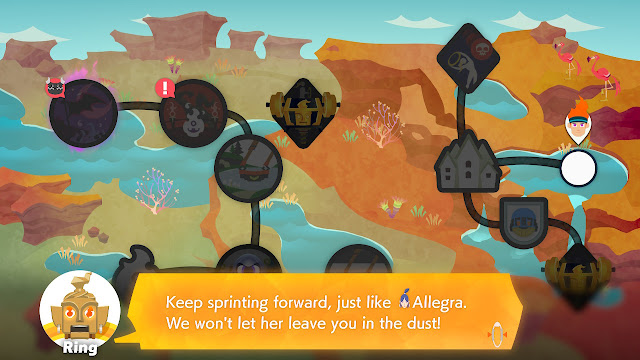
More and more games want to instill good habits in users. Healthy habits. Games as a source for good. That's explicitly the goal for games like Ring Fit Adventure on the Nintendo Switch (even the antagonist says as much) for exercise and Pokémon Smile on mobile devices for brushing teeth, as well as Pikmin Bloom for walking.
Habits take time to form, and they need certain elements. According to author Nir Eyal—who has worked in the videogame industry helping companies motivate and manipulate their players—and his book Hooked: How To Build Habit-Forming Products, designers can build lasting habits in customers with a four step “desire engine” (that you can learn about in significant more detail at this talk he gave with several gaming references) that he abbreviates as A TARI:
- Trigger—gets you to act. Can be external or internal.
- Action—when doing something is easier than thinking about it. Fast decisions where the brain doesn't have to think. To get an action, you need to be motivated and have the ability to do it (and have the trigger).
- Reward—habit-forming tend to be “variable rewards”, where every time you do the action, you don't know if you'll get something out of it. Your dopamine system spikes when you're searching for a reward, in anticipation for it.
- Investment—users think about future rewards that make the next (or repeat) action more likely.
Nir believes through proper design, designers can make a certain behaviour—started by someone trying to seek pleasure—into a habit. That means you feel pained (or stressed) when you don't do it. You can use that design for good or for evil. For this article, I'm going to review and compare Ring Fit Adventure and Pokémon Smile and see if they have this proper desire engine design. Did Ring Fit Adventure and/or Pokémon Smile succeed in their core design elements to build habits in their users’ lives?